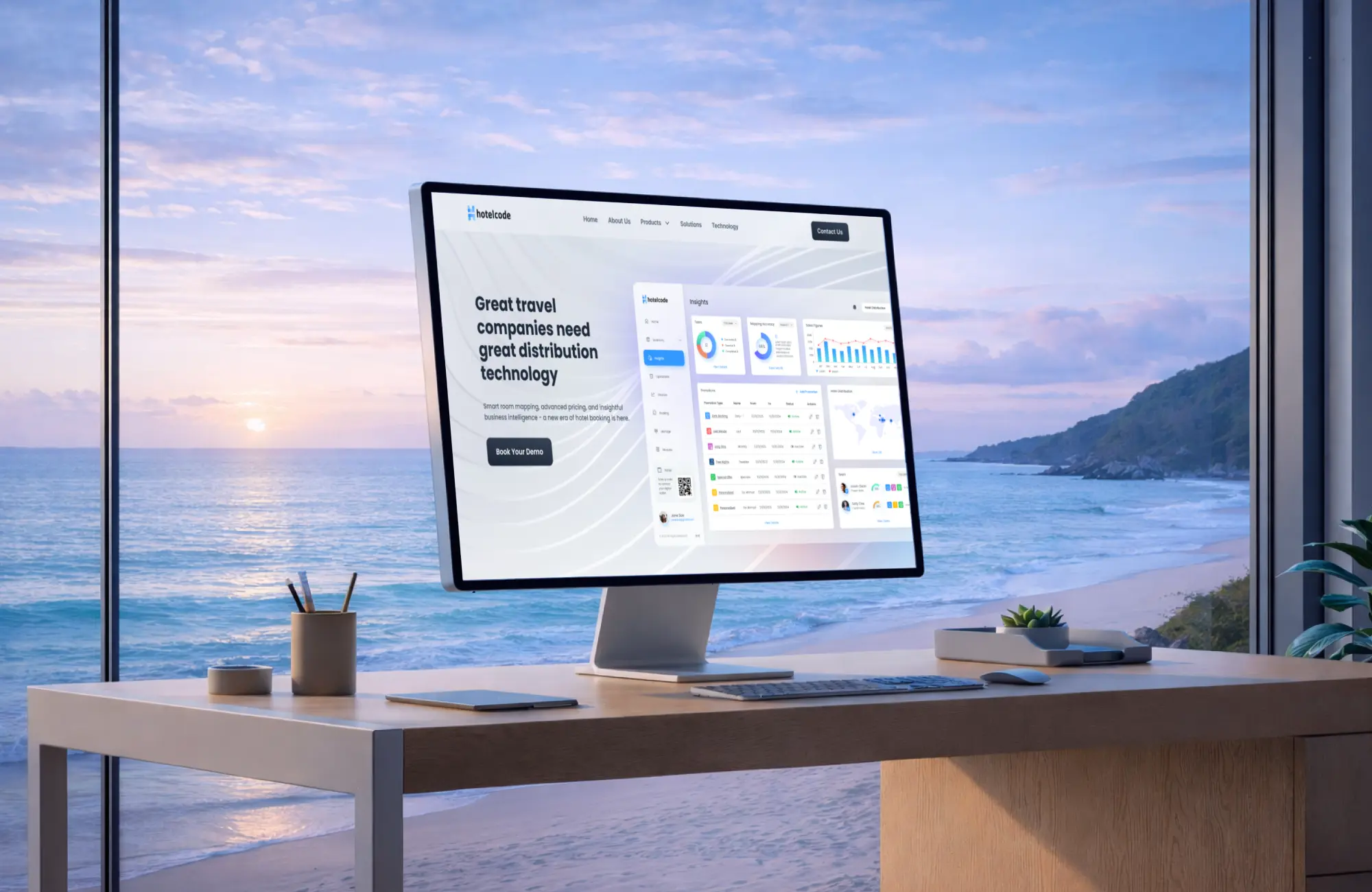
Medizoom is a comprehensive digital healthcare platform that enables patients, doctors, and healthcare providers to manage the entire treatment journey through a unified and secure interface. The project focused on simplifying complex scheduling workflows, improving usability across multiple user roles, and establishing a scalable design system.
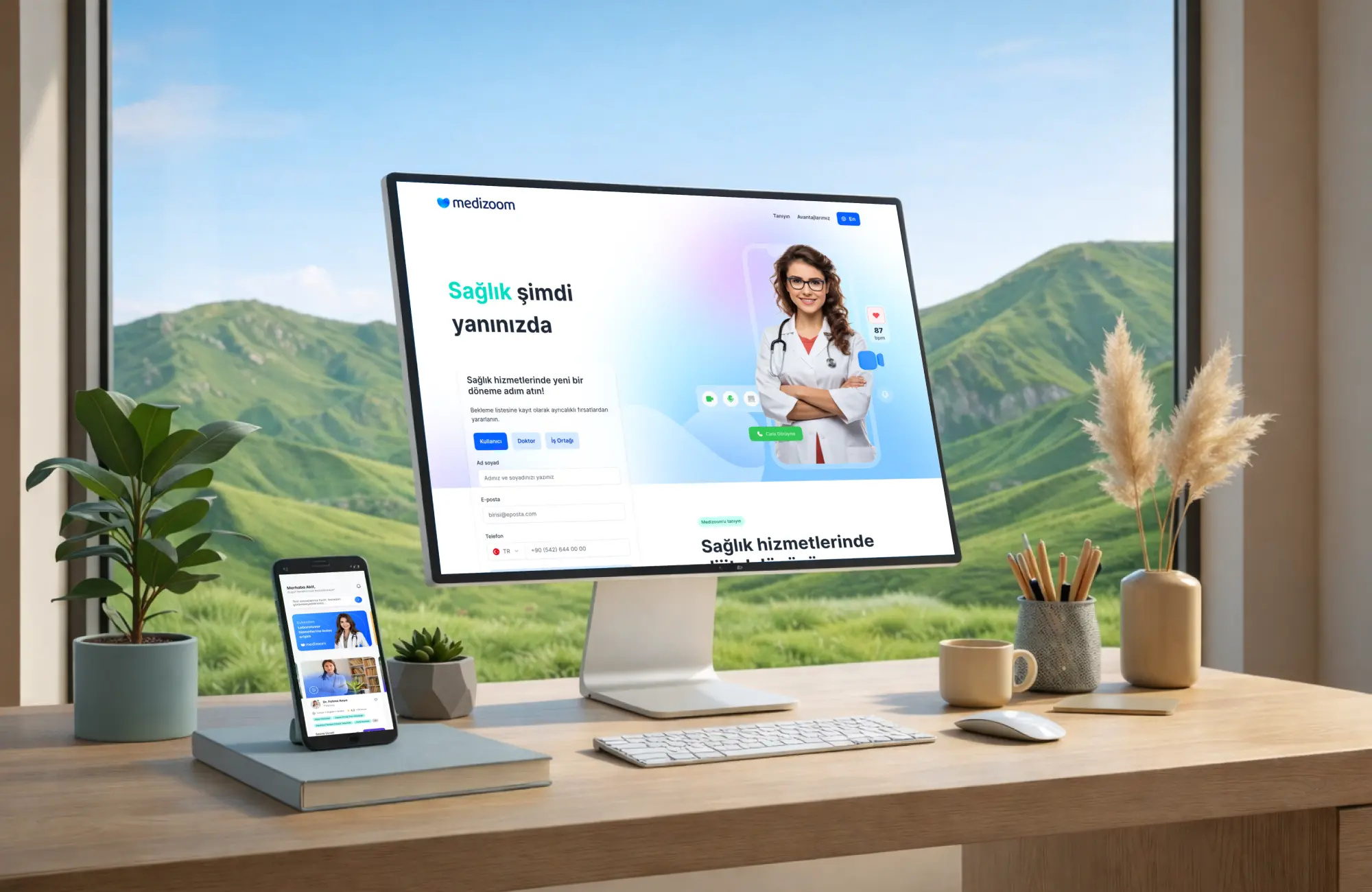
Background
Medizoom is a comprehensive digital healthcare platform designed to manage the entire patient journey from initial consultation to follow-up care within a single, integrated ecosystem.
The platform connects patients, doctors, and healthcare providers through online consultations, appointment management, laboratory access, and prescription tracking. Built with secure integrations such as e-Prescription and Ministry of Health systems, Medizoom aims to modernize healthcare workflows through a reliable and scalable digital interface.
The project focused on improving usability across patient, doctor, and administrative roles while maintaining strict compliance with healthcare standards.
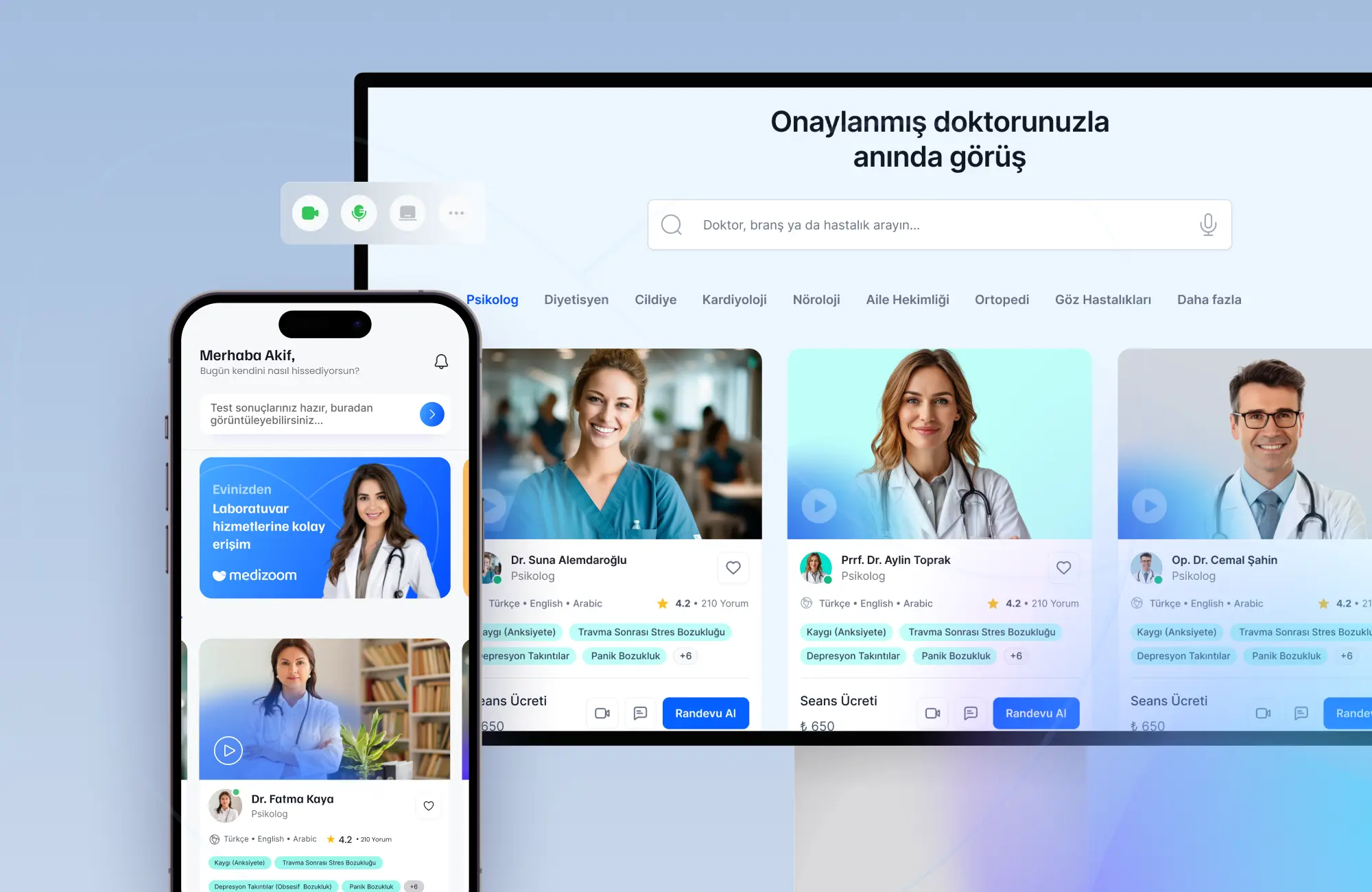
Existing healthcare interfaces were fragmented, complex, and difficult to navigate for both patients and healthcare professionals.
Patients struggled with inefficient appointment flows and unclear doctor information, while doctors faced challenges managing schedules and interacting with patient data efficiently. On the administrative side, inconsistent components and poorly structured information architecture slowed operational workflows.
The core challenge was designing a unified system that simplifies complex healthcare processes while maintaining accuracy, clarity, and trust.
The design approach focused on creating a clear and scalable interface system that supports multiple user roles and complex healthcare workflows.
Key priorities included:
– Simplifying appointment booking and scheduling flows
– Designing a scalable design system to ensure consistency across patient, doctor, and admin interfaces
– Improving information hierarchy to support faster decision-making
– Reducing cognitive load in data-heavy healthcare environments
Low-fidelity wireframes were used to explore alternative flows, followed by interactive prototypes in Figma. Close collaboration with developers ensured component scalability, responsive behavior, and accurate interaction patterns particularly in scheduling and slot management systems.
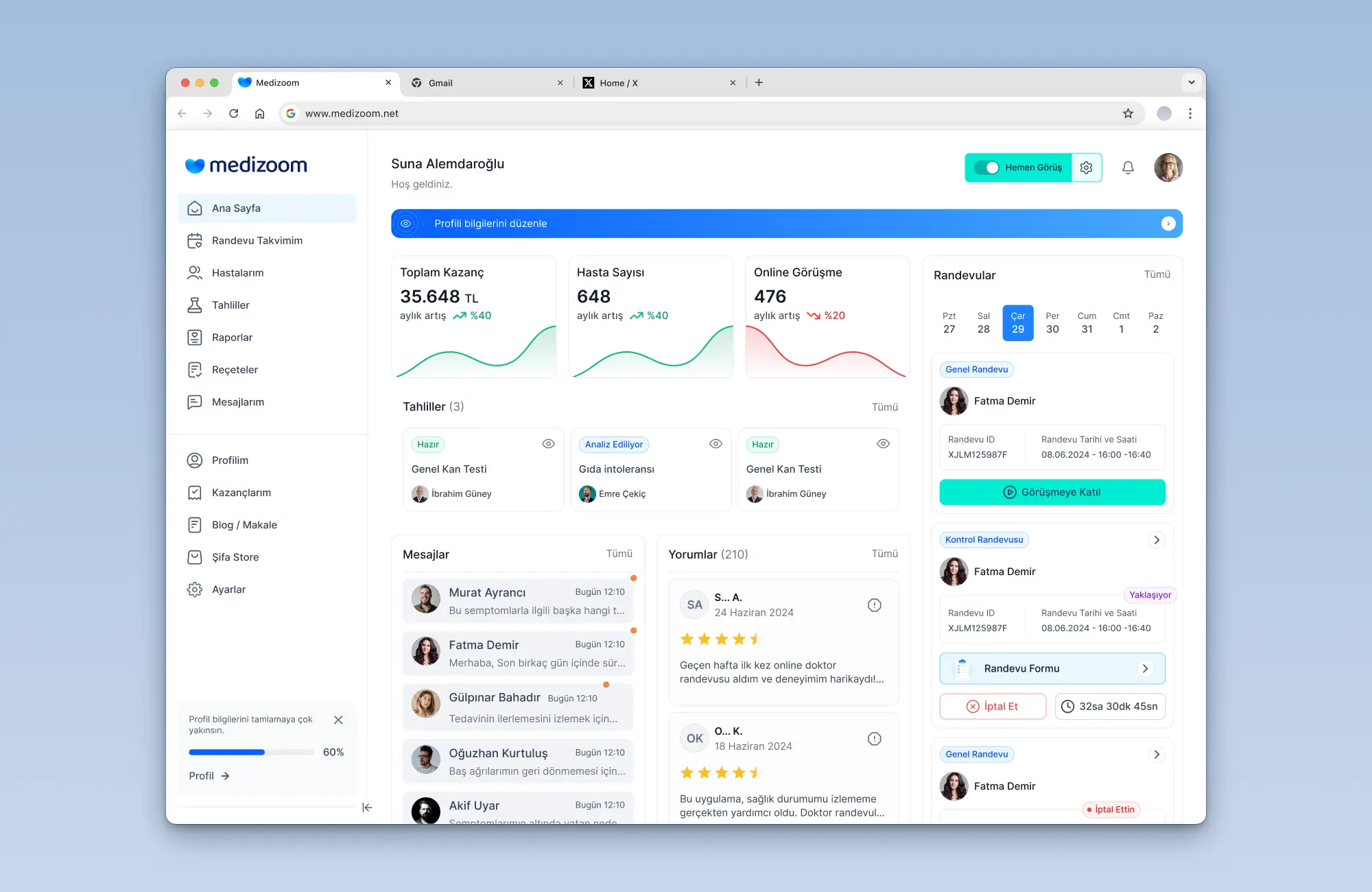
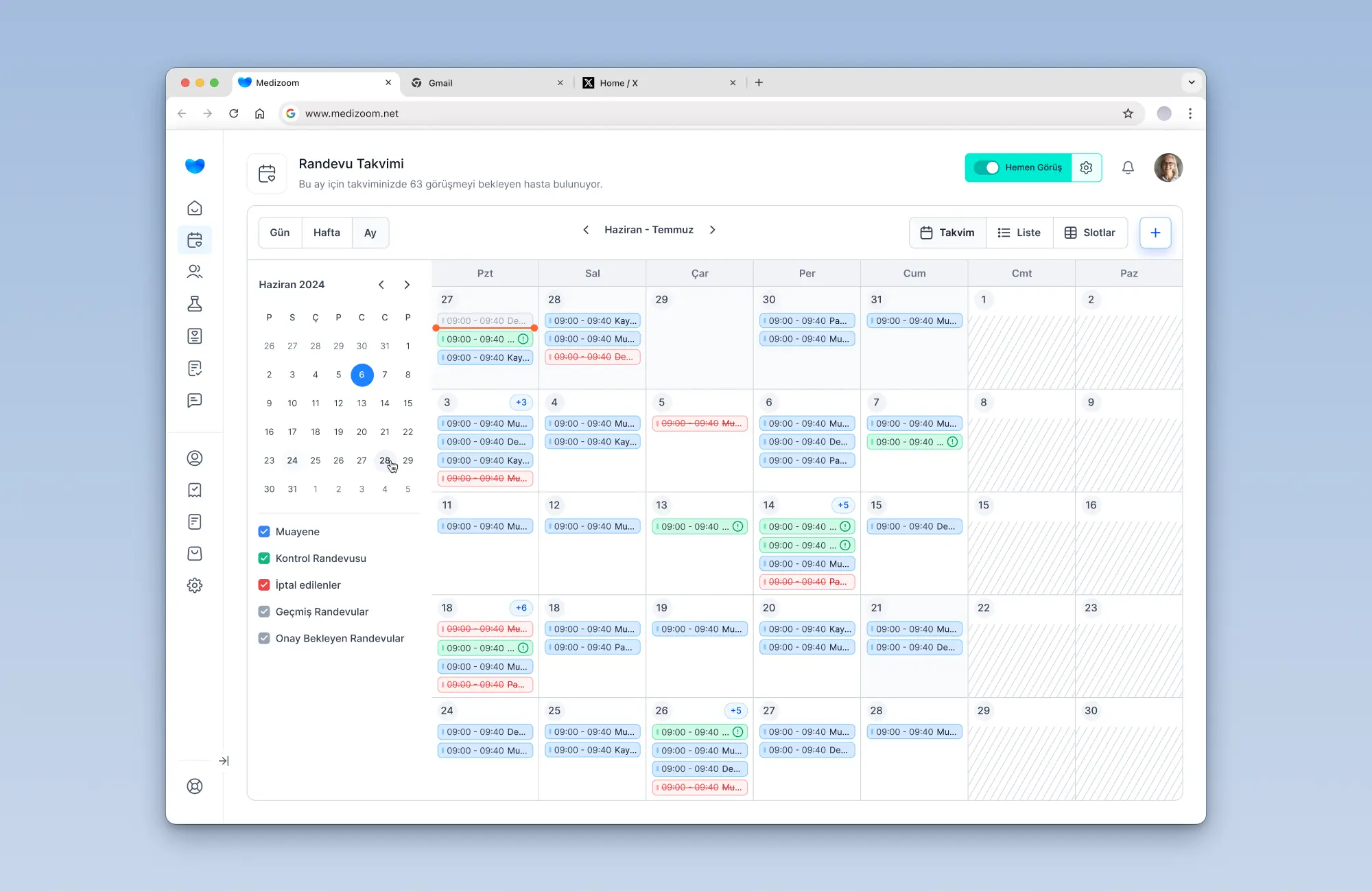
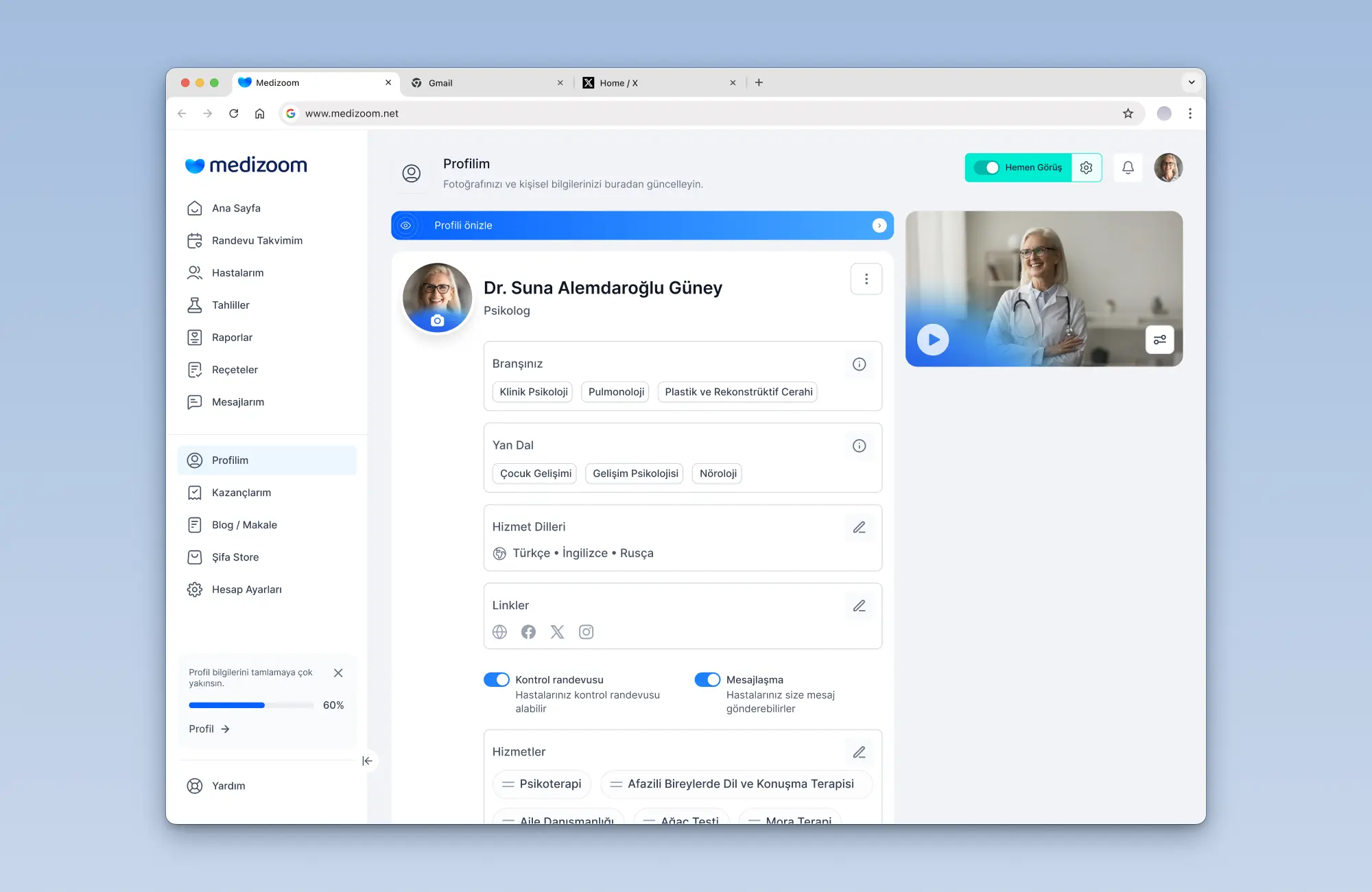

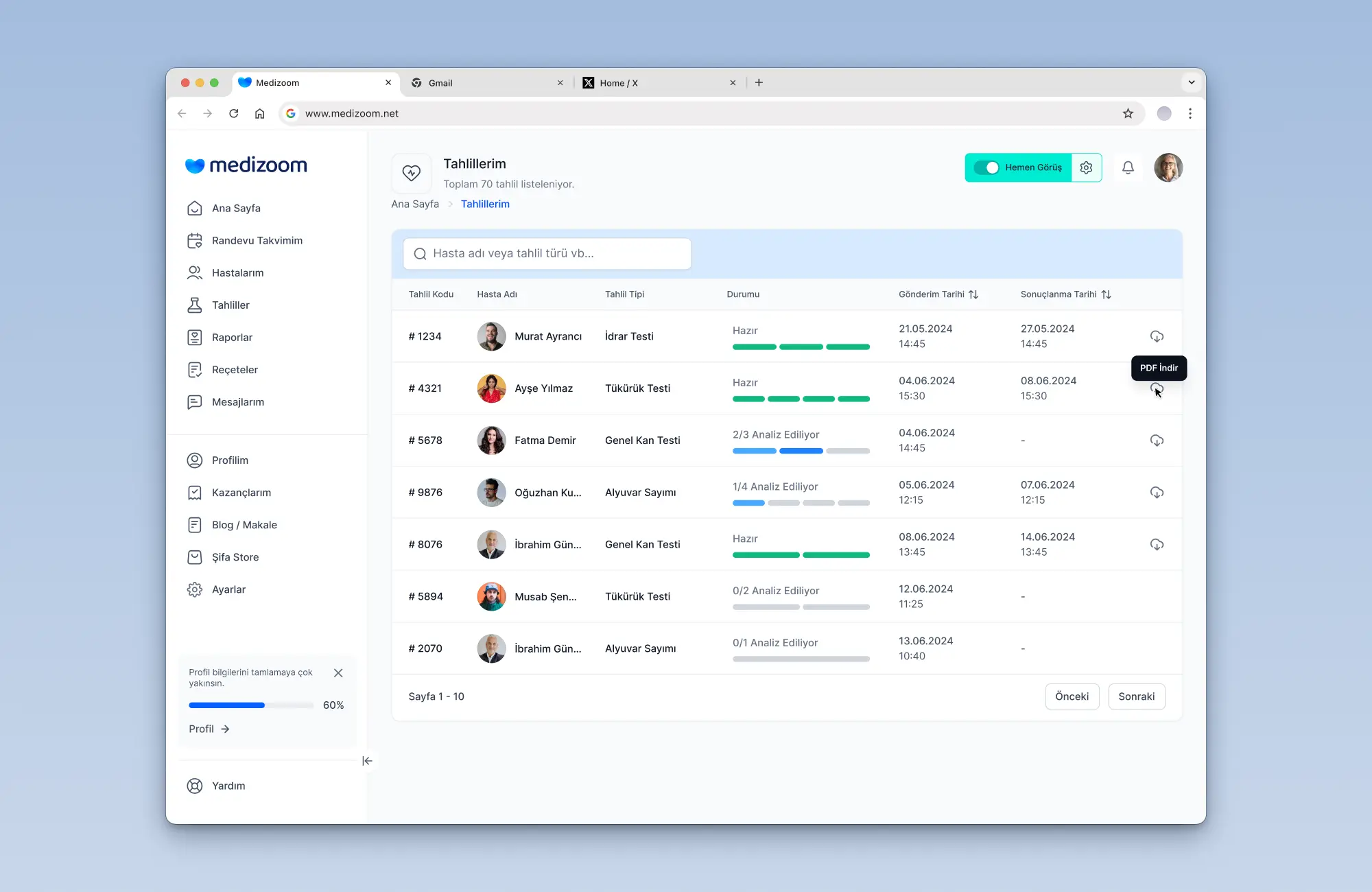
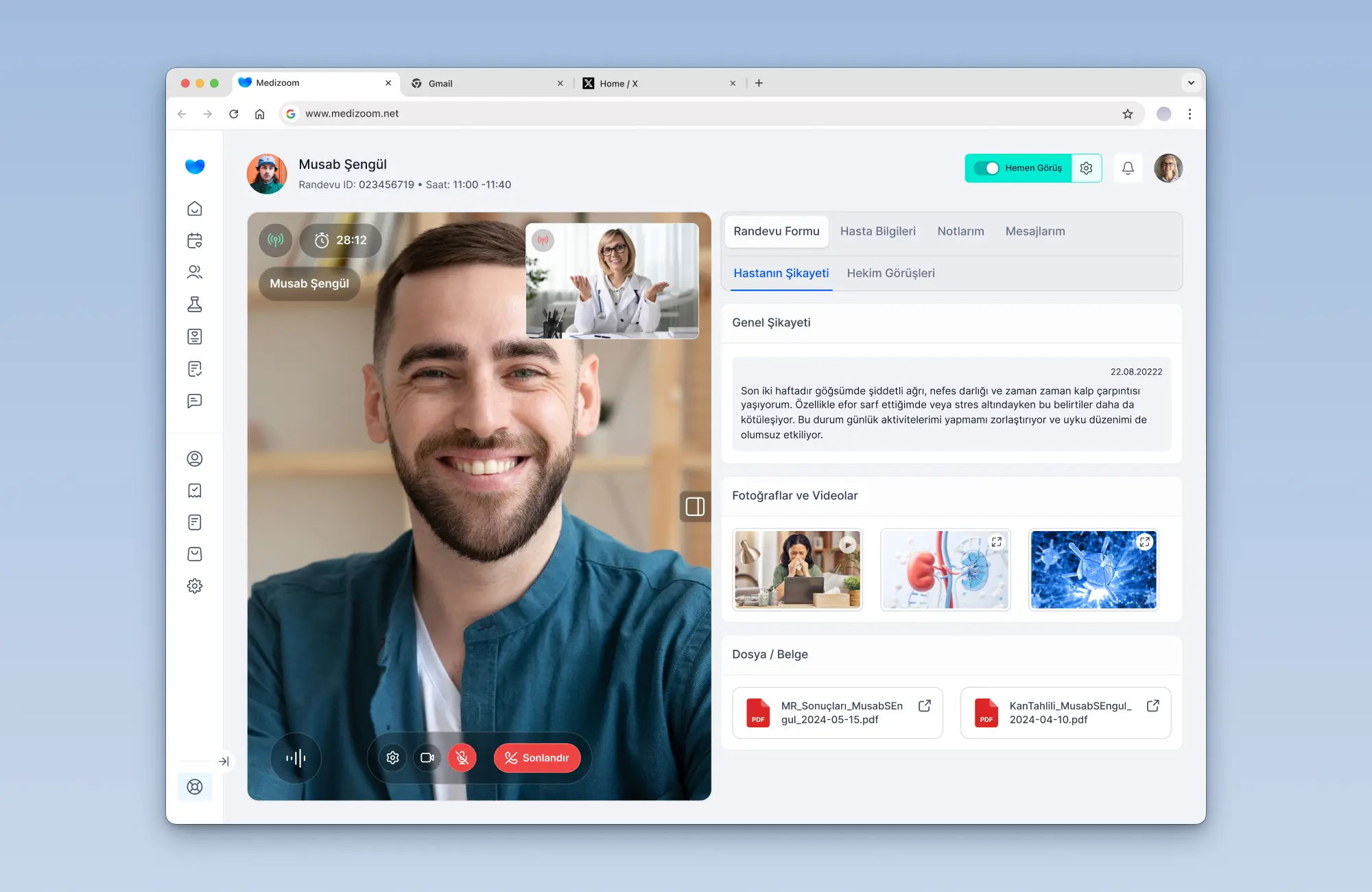
The outcome was a modern, scalable healthcare platform interface that improved clarity and efficiency across patient, doctor, and administrative workflows.
The introduction of a unified design system ensured visual consistency and accelerated development, while simplified scheduling flows reduced friction in critical user tasks.
This project strengthened my experience designing complex, multi-role systems where usability, trust, and structural clarity are essential for real-world healthcare environments.